
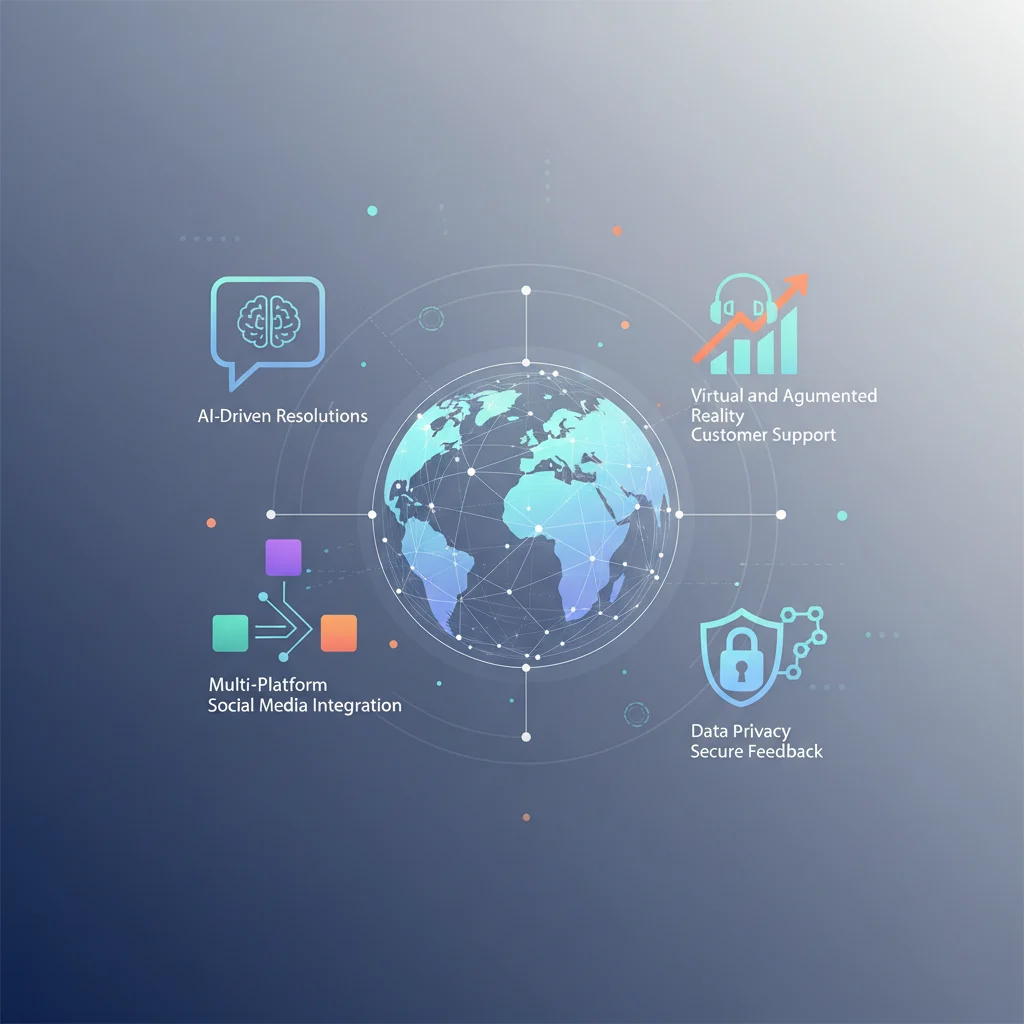
Get this: a whopping 79% of shoppers will ditch a brand after just one bad interaction. If that statistic does not jolt you awake, I am not sure what will. After sinking countless hours into dissecting customer behavior, I can confidently say that 2026 will be a critical year for businesses and how they collect and act on customer feedback. Significant shifts are coming, and businesses that want to thrive have to pay close attention. I am not talking about just glancing at a few online comments. I am talking about foreseeing what customers need, fixing problems before they even arise and building a system that actively tunes in.
Staying Sharp: Now More Important Than Ever
For ages, companies have depended on methods that react to what has already happened. Think of those surveys that pop up after you buy something, those feedback forms buried deep on websites or social media posts. These methods are quickly becoming useless. Customers dislike surveys, and most only leave comments if they have had an amazing or truly awful experience. This creates a hole in your understanding of the typical customer experience, and that slowly hurts your brand.
I predict that strategies that get ahead of issues will take over in 2026. These include:
- Real time Feedback Loops: Build systems that grab feedback while customers are actually using a product or service, not after the fact. Think about prompts within apps, interactive guides and smart chatbots that spot problems as they happen.
- Predictive Analytics: Use data to see problems coming. If a customer is struggling with a feature, the system should automatically jump in to help.
- Community Forums: Create spaces where customers can swap stories, report glitches and connect. This provides useful insights and creates a feeling of ownership.
Keeping Things Human
Smart technology is reshaping how companies handle customer feedback. Chatbots field basic questions, judge how customers feel and send tricky issues to human staff. But customers remain wary of full automation. They want a human touch, understanding and the comfort of talking to a real person.
The secret for 2026 is finding the right mix. Technology should empower human employees, not take their place. Think about these approaches:
- Smart Technology Powered Agent Help: Give agents tools that offer real time data, suggest fixes and automate tasks that repeat.
- Chatbot Chats That Feel Personal: Use technology to personalize chatbot conversations based on what you already know about the customer and their preferences.
- Clear Paths for Getting Help from a Real Person: Clearly explain how and when to send tough issues to human agents.
Be Honest and Take Responsibility
Customers now have more information and influence than ever. They expect you to be upfront about how you collect, use and protect their data. They also want companies to own up when they screw up. A badly handled consumer complaint can quickly go viral, hurting a company’s image and destroying trust.
Being upfront and accountable will be vital in 2026. This involves:
- Data Privacy Policies That Anyone Can Understand: Write data privacy policies in plain language and give customers control over their data.
- Fixing Problems Before They Blow Up: Solve complaints quickly and fairly, and keep customers in the loop.
- Saying Sorry When You Mess Up: Offer a real apology in public and put steps in place to prevent similar mistakes in the future.
What’s New on the Horizon?
Several new technologies are set to reshape customer feedback. These include:
- Natural Language Processing (NLP): Natural Language Processing helps companies analyze unstructured data such as social media posts, reviews and chat logs to spot patterns and measure emotions.
- Emotion Smart Technology: Emotion Smart Technology uses facial recognition and voice analysis to detect customer emotions, giving you useful information about their experiences.
- Virtual Reality (VR) and Augmented Reality (AR): Virtual Reality and Augmented Reality can create engaging customer experiences and collect feedback in new ways.
Consumer Trends in India
These trends are mirrored in India, but with some local flavor. More people in rural areas are getting online, resulting in a bigger online community sharing what they think. Businesses have to adapt to local languages and cultural differences when looking at customer feedback. Furthermore, the steps to file a consumer complaint in India are becoming more digital, which gives more power to consumers.
A few consumer trends to watch in India:
- Social Media Becoming the Place to Rant: Indian consumers are using platforms like Twitter and Facebook more and more to voice their complaints.
- A Desire to Feel Valued: Indian consumers want businesses to get their individual needs and preferences.
- Getting the Best Value: Price still matters, but consumers will spend more for products and services that are high quality.
Getting Ready for 2026
The future of customer feedback relies on being proactive, human, honest and welcoming technology. Businesses that embrace these ideas will be well positioned to strengthen customer relationships and succeed in a competitive world. Just listening is not enough; you have to act on feedback and build a culture of ongoing improvement. By understanding the changing needs and expectations of consumers and adapting to the changing technology around you, companies can turn complaints into chances to build lasting loyalty. Keeping up with global consumer trends and tailoring them to local markets, such as knowing how to file a consumer complaint in India easily, will be key to doing well. Understanding consumer trends will also give companies an advantage.
Talk to a Verified Lawyer Online
Send a legal notice for money recovery with expert support from Vakilsearch