
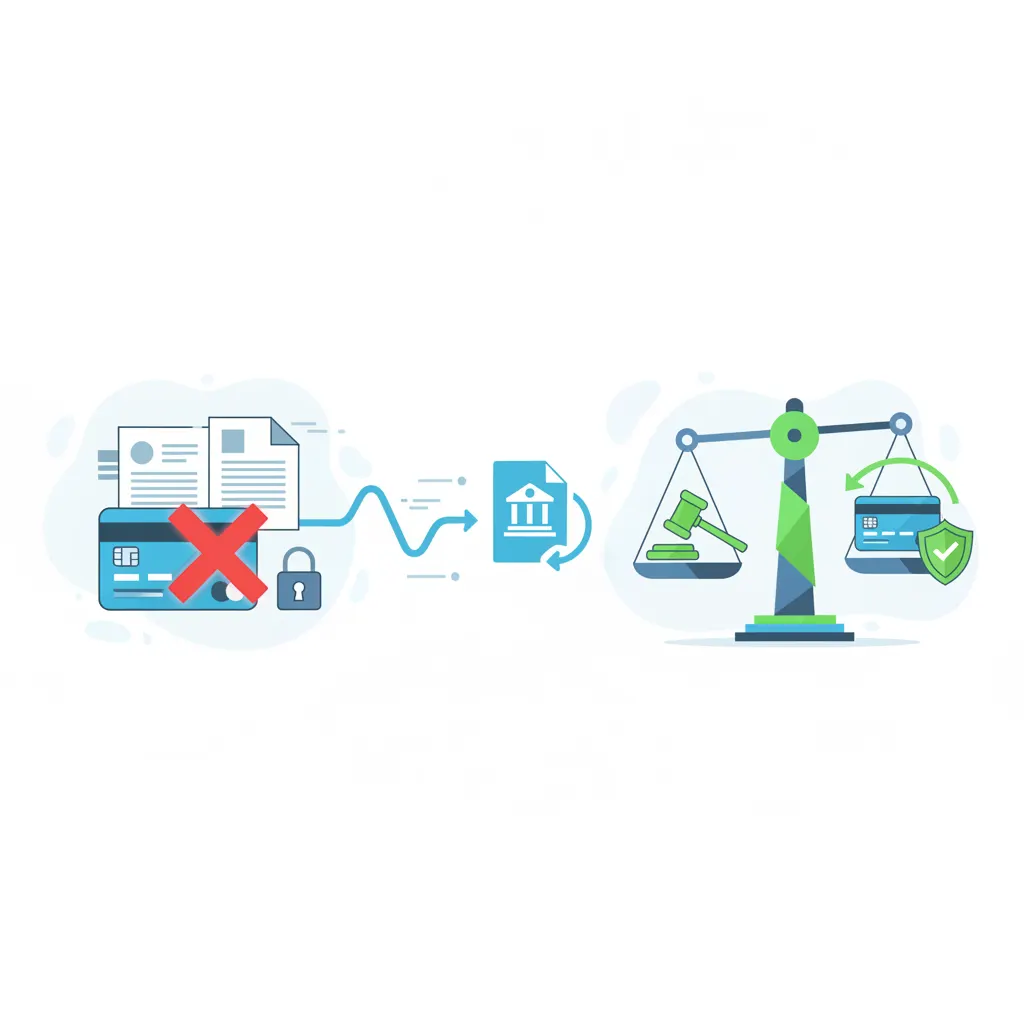
In 2022, scams cost Americans over $8.8 billion, as reported by the Federal Trade Commission (FTC). A large portion of that money vanished due to credit card shenanigans. That number should concern everyone. Consumers must learn how to challenge unauthorized charges and protect their money.
I have been there. You are reviewing your statement and BAM, a charge you do not recognize pops out. Your heart races. It could be a tiny charge, seemingly nothing. Or it could be big, a real problem. Regardless, when you see an unauthorized charge, act fast. I wrote this to give you information on how to contest charges and protect your rights.
Understanding Your Rights: The Foundation of a Credit Card Dispute
Before discussing how to start a dispute, you must understand your rights as a consumer. The Fair Credit Billing Act (FCBA) gives you the power to challenge errors on your statements. These errors include unauthorized charges, charges for goods/services never received or wrong amounts. I consider this act essential consumer protection when addressing incorrect charges.
This protection goes beyond clear fraud. Say you hired someone to fix your roof. They did a bad job, not what you agreed on. You can dispute the charge with your provider and maybe not pay until they fix the issues. I have seen many times how knowing these rights saved people a lot of money and stress.
Step-by-Step Guide: How to File a Credit Card Dispute
Let us examine the steps you should take to initiate a challenge to an incorrect credit card charge:
- Review Your Credit Card Statement Carefully: Obvious, yes, but vital. Check every transaction, even small ones. Look closely at vendor names, amounts and dates that do not look familiar.
- Contact Your Credit Card Issuer Immediately: Time matters. Most companies have time limits for disputes, often around 60 days from the statement date. Find the customer service number on your card or the issuer’s website. Many offer online or mobile app dispute options.
- Submit a Written Dispute: Call first, but always follow up with a written dispute. This creates a record and registers your claim formally. Include this information:
- Your name and account number
- The date and amount of the contested transaction
- A short explanation of why you are disputing the charge
- Any supporting documents, like receipts, contracts or emails
- Gather Supporting Evidence: The more evidence, the stronger your case. This might include:
- Copies of receipts or invoices
- Contracts or agreements
- Emails or letters about the transaction
- Photos or videos showing the issue, like damaged goods
- Track Your Dispute: Keep a detailed record of all communication with your issuer, including dates, times and representative names. Keep any reference numbers for tracking.
What Happens After You File a Dispute?
After submitting your dispute, the issuer must investigate. Here is what to expect:
- Temporary Credit: The issuer might credit your account for the disputed amount during the investigation. You do not have to pay that amount while the dispute is unresolved.
- Investigation: The issuer will contact the merchant to collect information and evidence. They might also ask you for more documents to support your claim.
- Resolution: After the investigation, the issuer will tell you their decision. If they agree with you, the credit becomes permanent. If they disagree, you must pay the amount, including interest or fees.
When to Escalate: Filing a Consumer Complaint
If you disagree with the issuer’s decision, you can escalate. File a consumer complaint with the appropriate regulatory body. If you are in India, focus on the regulatory bodies and consumer protection laws that govern financial transactions there.
- Consumer Financial Protection Bureau (CFPB): In the United States, you can file a complaint with the CFPB online or by phone. The CFPB will send your complaint to the issuer for a formal response.
- State Attorney General: You can also complain to your state’s attorney general, who might help resolve the dispute.
- Small Claims Court: As a last resort, sue the merchant or issuer in small claims court. This works best for smaller amounts.
Preventing Future Unauthorized Credit Card Transactions
Challenging charges is important, but preventing them is better. Here are some ways to do that:
- Monitor Your Accounts Regularly: Check your statements and bank activity often for anything suspicious. Set up notifications for transactions above a certain amount.
- Use Strong Passwords: Use strong, unique passwords for all accounts. Use a password manager to store and create complex passwords safely.
- Be Wary of Phishing Scams: Be careful with unsolicited emails, calls or texts asking for your information. Never click links or download attachments from unknown sources.
- Secure Your Physical Card: Keep your card safe and watch where you use it. Cover your PIN at ATMs or terminals.
- Consider Using Virtual Credit Card Numbers: Some issuers offer virtual numbers, which are temporary numbers for online purchases. This protects your real number from exposure.
The Importance of Documentation in Your Credit Card Dispute Process
Keep good records during the entire process. Keep copies of all documents, including letters, emails, receipts and anything else related to the dispute. This helps you track your dispute and provides evidence if you need to escalate the matter. This documentation is vital to the entire “credit card dispute process”.
Talk to a Verified Lawyer Online
Send a legal notice for money recovery with expert support from Vakilsearch