
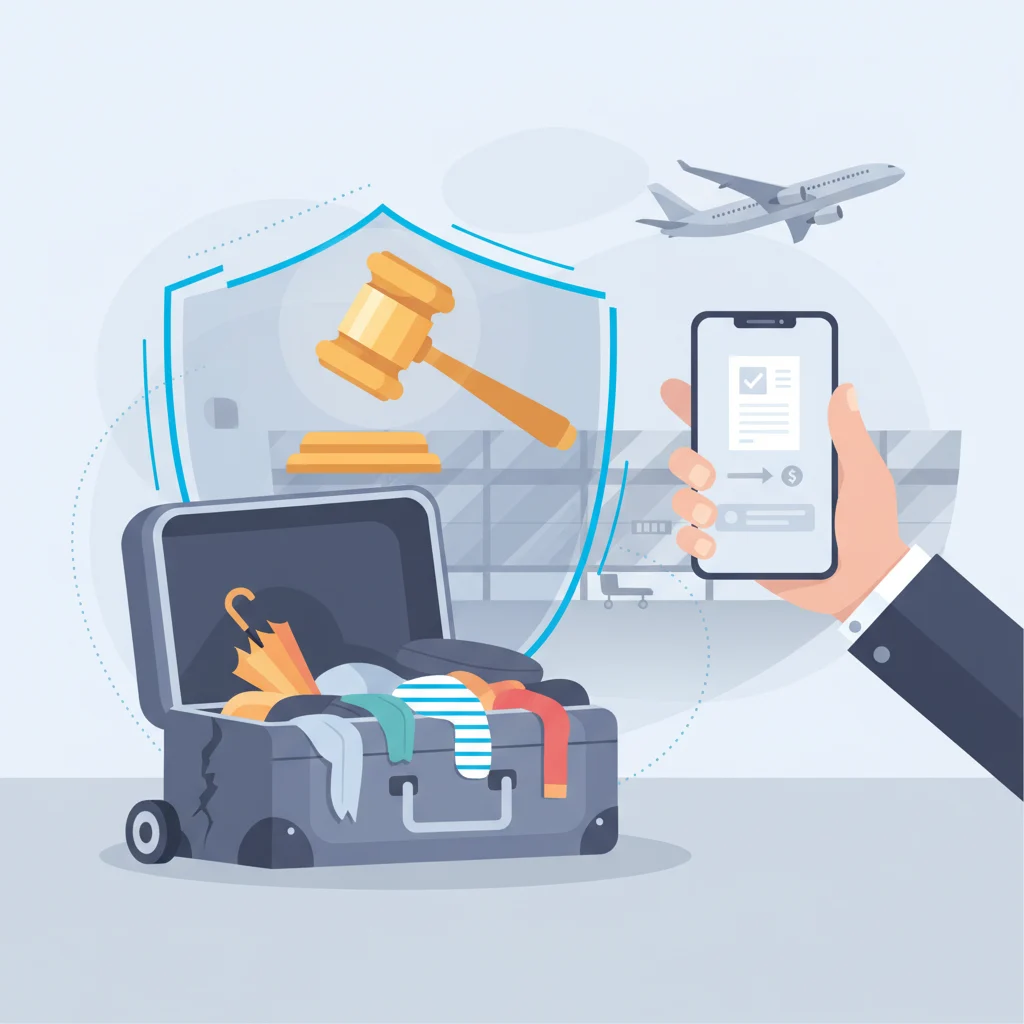
Ever been hyped for a getaway, picturing sandy beaches and zero stress, only to land and discover your luggage is MIA or looks like it went ten rounds with a garbage disposal unit? I would not wish that particular brand of travel chaos on anybody. A 2019 report from India’s Department of Consumer Affairs dropped a truth bomb: complaints about travel, especially regarding damaged belongings, shot up 25% in just five years. So, knowing your Legal Remedies on Damaged Goods Travel? It is not just smart; it is your shield against travel nightmares and how you reclaim what is rightfully yours when your trip hits a snag.
Understanding Your Rights: Legal Remedies on Damaged Goods Travel
Think of handing your bags to an airline, train company, or shipping service as sealing a deal. They are promising, basically, to treat your stuff with a reasonable level of care. If they mess up and your belongings get lost or wrecked because they were careless, you absolutely have the power to demand they make things right. This power stems from the Consumer Protection Act and some pretty solid legal principles.
I recall touching down at my destination once and spotting a huge tear in my suitcase. I was beyond annoyed, especially because it was stuffed with stuff I needed. It was only after I dug into my rights as a consumer that I was able to successfully put in a claim against the airline and get some money back. That experience hammered home the idea that knowing your rights and standing up for yourself is essential. Now, I am a total believer.
Filing a Consumer Complaint in India: A Step-by-Step Guide
Luggage gone rogue or looking worse for wear? Here is how to file a consumer complaint in India, broken down into simple steps:
- Notify the Carrier Immediately: Spot damage or loss? Shout it from the rooftops, or at least report it ASAP. Get it in writing that they heard you. Most airlines have people on standby in the arrival zone to tackle this stuff. Get a written record of everything: date, time and the whole sorry story.
- Gather Evidence: Round up everything connected to your trip and the damage. Think tickets, baggage claim tags, receipts for what got trashed and proof that the carrier knows about the problem. And snap pictures of the damage; visuals are key.
- Send a Written Notice: Fire off an official notice to the carrier, spelling out the loss or damage, putting a price tag on the items and stating what you expect as payback. Keep a copy for yourself, plus proof they received your notice.
- File a Consumer Complaint: If the carrier ghosts you or says “no way” to your claim, take it up a notch and hit up the consumer forum that deals with these squabbles. The Consumer Protection Act sets up a three level system: the District Consumer Disputes Redressal Commission (DCDRC) for claims up to ₹50 lakh, the State Consumer Disputes Redressal Commission (SCDRC) for claims between ₹50 lakh and ₹2 crore and the National Consumer Disputes Redressal Commission (NCDRC) for claims exceeding ₹2 crore.
- Online Complaint: Alternatively, you can file a consumer complaint in India through the National Consumer Helpline portal. Register your issue, monitor its journey and chat with the company.
Essential Elements of a Complaint on Damaged Goods
When drafting your complaint on damaged goods, be sure you nail these key elements:
- Your name and address
- Who you are lodging the complaint against, with the carrier’s name and address
- A blow by blow account of the loss or damage
- What the goods are worth, down to the penny
- What you want as compensation
- Copies of everything that backs up your story
Clarity is king. Keep it factual; leave the drama at home. Stick to the evidence and present it like a pro to increase your chances of a positive outcome.
Time Limits for Filing a Claim
Watch those deadlines! The Consumer Protection Act generally gives you two years from the incident date to lodge a complaint. Though, rules can shift based on the carrier and the goods involved. Some airlines, for example, demand you report damage lightning fast, like within seven days post arrival. Speed is your friend here; do not let those crucial dates slip by.
Specific Laws and Regulations
A web of laws exists to back consumers up when their property vanishes or gets damaged during travel. These include:
- The Consumer Protection Act, 2019: This law builds a broad structure for defending consumer rights and tackling unfair business practices.
- The Carriage by Air Act, 1972: This dictates airline responsibility when baggage and cargo go missing or suffer damage.
- The Railways Act, 1989: This governs what happens when goods are lost or damaged while traveling by train.
- Common Law Principles: Contract and tort law also come into play in these situations.
Seeking Legal Assistance
Stuck in a complicated mess or dealing with an uncooperative carrier? Reach out to a consumer protection lawyer. They can dissect your rights, gather evidence and stand beside you in court, should it come to that. Numerous consumer groups and NGOs also extend free legal advice and assistance.
Preventive Measures to Protect Your Luggage
Knowing your rights matters, but stopping the headache before it begins is even better:
- Pack Securely: Invest in tough suitcases or bags. Swaddle fragile stuff with care.
- Label Your Luggage: Slap your name, address and cell number on that luggage. And slip a tag inside too.
- Take Photos: Snap photos of your luggage, and its contents, before you head out. This is your ammo to prove what is what if things go south.
- Purchase Travel Insurance: Mull over buying travel insurance that has your back if luggage vanishes or gets wrecked.
- Track Your Bags: Stick a luggage tracker on your bags and play hawk during your travels.
Conclusion
Lost or damaged travel belongings bring stress, no question. But, understanding your rights and jumping into action rapidly can seriously boost your chances of a fair resolution. Take action, gather proof and get legal help when needed; doing so protects your interests and makes sure carriers own their mistakes. The Consumer Protection Act exists as your shield, so use it without hesitation. Knowing your Legal Remedies on Damaged Goods Travel lets you travel with peace of mind, secure in the knowledge that protection exists if trouble rears its head.
Talk to a Verified Lawyer Online
Send a legal notice for money recovery with expert support from Vakilsearch