
Do you know almost 60% of shoppers feel lost when something they buy breaks down? That is a truly shocking number, is it not? It is like trying to read ancient hieroglyphs. When a product goes kaput, people are often left scratching their heads, not sure if they can get it fixed, swapped out or get their money back. A report from the Department of Consumer Affairs points out many consumer headaches come from not knowing these rights exist. This shows how badly we need information that is easy to get and easy to understand. Knowing when you are consumer eligible for a replacement, a fix or your payment back is essential to protect yourself and make smart choices. I was once in a similar boat, totally clueless, so I get the frustration.
Understanding Your Rights as a Consumer Eligible for Protection
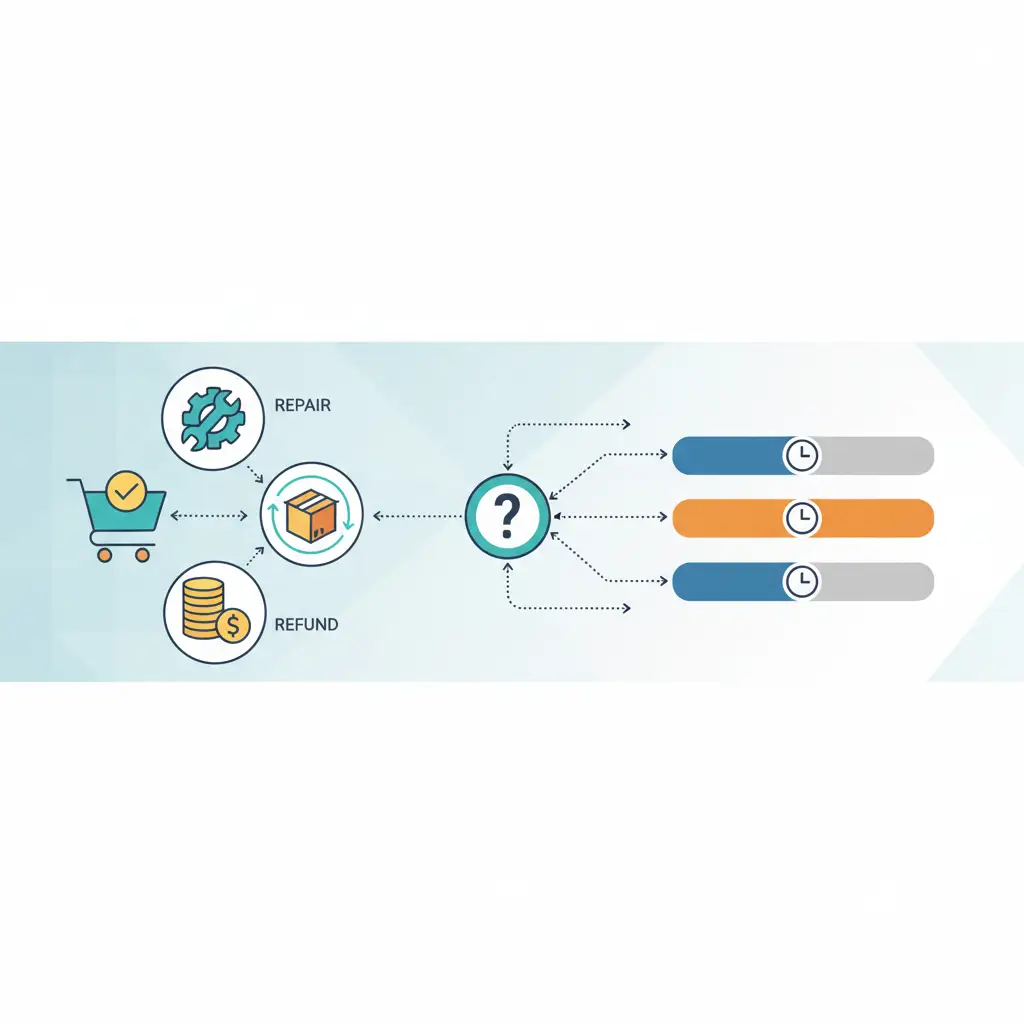
Consumer protection laws exist to make sure the marketplace is fair and open. These rules lay out what you can do if something you buy does not work as it should. A big part of these laws covers the chance of a substitute, a repair or your payment back. What you can get depends on what is wrong with the product and how you bought it. So, how do you figure out what you are entitled to? Let us take a closer look at each of these possibilities.
When Are You Consumer Eligible for a Replacement?
A substitute usually happens when something has a major flaw that cannot be easily fixed. This often occurs when things are poorly made or do not match what was advertised. Imagine buying a brand new television, taking it out of the box and finding the screen is cracked. In that case, getting a substitute would likely be doable. Likewise, if something stops working soon after you buy it and cannot be repaired, a substitute might be the best answer. I remember getting a coffee maker that died after only a week. I definitely wanted a substitute.
Factors that influence eligibility for a replacement include:
- The seriousness of the defect.
- How long ago you bought it.
- What the warranty says.
Keep in mind some stores might offer a substitute even if the law does not require it. Always check the store’s return policy to see what your options are.
When Is Repair the Appropriate Remedy?
A repair makes sense when the problem is small and can be fixed without messing up how well the product works or how much it is worth. This often applies to appliances, gadgets and other things that last a while. Say your clothes washing machine does not drain all the way, but otherwise works fine. Getting it repaired could be the quickest way to solve the problem. Many companies offer warranties that cover repair costs for a certain time. This has been a lifesaver for me on several occasions.
Key considerations for opting for a repair include:
- How much the repair costs compared to getting a substitute.
- If there are qualified repair people nearby.
- What the warranty covers.
Using an approved repair person is super important. If you do not, you might void your warranty or make the problem worse. I know this from painful experience. I once let some random person fix my computer and it created more problems. The warranty was useless. Because of that, I always tell people to use authorized repair shops.
Seeking a Refund: When Does It Apply?
A payment returned usually happens when something has a big problem that cannot be fixed or replaced. It also applies if the seller cannot fix the issue within a reasonable time. Even though it is not ideal, consumers need to know it is an option. If you buy something with a major defect or it does not do what it is supposed to, getting a full payment returned might be possible.
Situations where a refund may be warranted include:
- The product is not safe.
- The product does not do what it promised.
- The seller cannot fix it or replace it.
To ask for your payment back, you generally need proof you bought it, like a receipt. You might also have to give the product back to the seller. Keep good records of everything you discuss with the seller and any costs you had because of the broken product. I got my payment returned for a fridge that broke down and I can tell you keeping detailed records made things go much faster.
How to File a Consumer Complaint in India
If you have a problem with something you bought or a service you used and the seller is not helping, file a consumer complaint in India. The Consumer Protection Act of 2019 has rules for how to handle consumer issues. Here is a simple rundown:
- Gather Evidence: Find all the important papers, like receipts, warranty information and emails with the seller.
- Contact the Seller: Before you take things further, tell the seller what the problem is and what you want, whether it is a substitute, a repair or your payment back. Save a copy of this message.
- National Consumer Helpline (NCH): You can file your complaint on the NCH website or call their toll free number. The NCH will try to help you and the seller find a solution.
- Consumer Disputes Redressal Agencies: If you cannot reach an agreement, you can go to the District, State or National Consumer Disputes Redressal Commission. Where you go depends on how much the product or service cost.
The Importance of Warranty and Extended Protection Plans
Warranties and extended protection plans are super important for protecting shoppers. A warranty is a promise from the maker that the product will not have any problems for a set time. It usually covers the costs of repairs or a substitute if something goes wrong during that time. Extended protection plans give you more coverage after the warranty ends. They might cover things like accidental damage. I always think about these plans when I buy something expensive.
When considering a warranty or extended protection plan, keep the following in mind:
- Read the fine print to know what is covered and what is not.
- See how much the plan costs versus how much repairs or replacements might cost.
- Make sure the company offering the warranty is trustworthy.
Conclusion
Knowing your rights as a consumer eligible for protection makes you feel more confident when you are shopping. Whether you are after a substitute, a repair or your payment back, knowing what you can do and taking action can lead to fair results. By learning about consumer protection laws, keeping your purchase records and asking for help when needed, you can protect your interests and become a smarter shopper. I urge everyone to take a little time to learn this stuff. It is incredibly helpful.
Talk to a Verified Lawyer Online
Send a legal notice for money recovery with expert support from Vakilsearch