
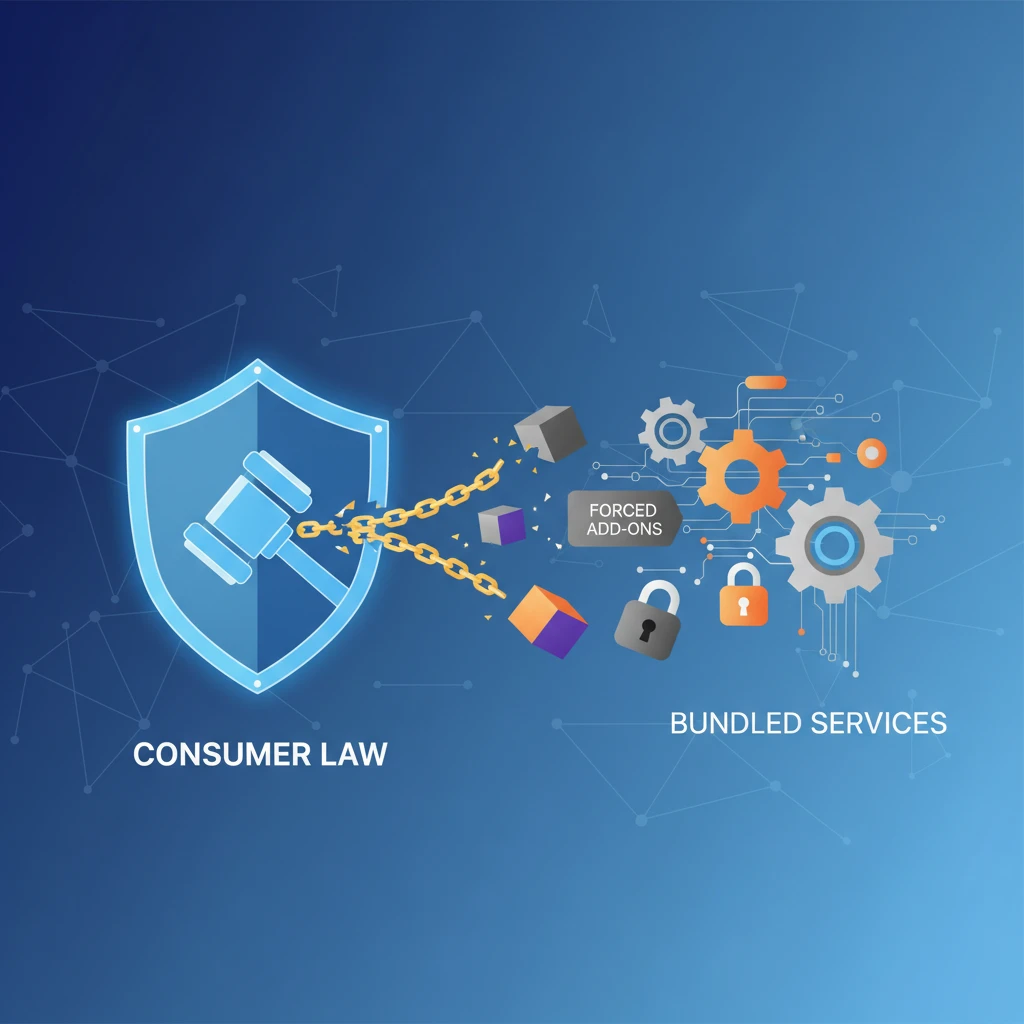
almost one third of Indian shoppers, roughly 30%, feel pressured into buying extra stuff they did not even ask for when they are making a purchase. A report from the Financial Express back in 2022 shined a light on how many companies use these package deals to pad their bottom line, often with zero regard for what shoppers actually want and what the law says. I will break down what shoppers should know about add ons and bundled services according to the rules. I will also explain what your rights are and how to protect yourself.
Understanding Add-ons and Bundled Services
Before I launch into legal speak, I want to make sure we are all on the same page about what I mean by add ons and bundled services. It is important we define these terms before digging into consumer law about add ons and bundled services, which offers protections.
- Add-ons: These are extra features or services you can tack onto a main product. Think about extended warranties when you buy electronics or all the extra stuff you can pile onto a pizza.
- Bundled Services: This means packaging a bunch of products together and selling them as a single unit. A good example is a cable television package that includes a bunch of channels, internet and phone service all rolled into one.
These deals might seem like a good thing at first. But the problems start when you are railroaded into taking them or do not have a real choice.
What Consumer Law Says About Add-ons and Bundled Services
In India, consumer protection regarding add ons and bundled services is mainly covered by the Consumer Protection Act of 2019. This law keeps consumers safe from shady business practices, like being forced to take extras and bundles you do not want.
Key parts of the law you should remember include:
- Right to Choose: Shoppers get to pick the specific things they want. If you are forced to take extras you do not want, that is a violation of your basic rights.
- Unfair Trade Practice: Bundling crosses the line into unfair trade if it limits what shoppers can choose or comes with crazy conditions.
- Misleading Practices: Watch out if a company blows up how important bundled services are or stretches the truth about the perks. That is a misleading practice.
Specific Scenarios and Legal Recourse
Let us dig into some situations and how the rules around add ons and bundled services play out. Knowing consumer law about add ons and bundled services puts you in a position of strength.
- Scenario 1: Mobile Phone Purchase with Forced InsurancePicture this: You are buying a phone, and the seller is pushing insurance on you. You tell them you do not want it. They tell you that you cannot buy the phone without it. Total rip off!
Legal Recourse: This is a slam dunk violation of your right to choose. You have the right to say no to the insurance. If they will not sell you the phone without it? You can file a consumer complaint in India using the National Consumer Helpline. You can also haul them into a consumer court. - Scenario 2: Cable TV BundlingA cable company shoves a package with a million channels at you. You only want a few. The company will not budge. They are stuck on selling you the whole shebang.
Legal Recourse: Some bundling is OK. But you can fight back if a company makes you buy channels you will never watch. Start by trying to talk to them. If that does not work, file a complaint if you think the bundling is unreasonable. - Scenario 3: Airline Tickets with Forced Meals or Seat SelectionAn airline tacks on meals or seat selection to your ticket without giving you a way to decline.
Legal Recourse: This is getting more and more attention. Consumers have a strong argument that these should be optional. If you are forced to pay, submit a consumer complaint in India.
How to Protect Yourself from Forced Add-ons and Bundled Services
Here are steps you can take to protect yourself. These are essential for every shopper.
- Be Informed: Get to know your rights under the Consumer Protection Act. Knowing the law is your best weapon.
- Read the Fine Print: Always read the terms and conditions before you buy. Keep an eye out for mandatory extras or bundled services.
- Assert Your Right to Choose: Make it clear that you are not OK with the extra item or bundled service. Stand your ground. Be polite, but be firm.
- Negotiate: See if you can work with the seller. They might give in and drop the extra to close the deal.
- Document Everything: Keep copies of your conversations, receipts and anything else related to the sale. This will be super important if you need to file a complaint.
- File a Complaint: If you cannot work it out with the seller, start a consumer complaint in India through the National Consumer Helpline or a consumer court.
Filing a Consumer Complaint in India: A Step-by-Step Guide
If someone has forced you to take stuff you did not want, here is how to file a complaint:
- Contact the Seller: Before you get too formal, try to work things out with the seller. You might be surprised at how well a conversation can work.
- Gather Evidence: Collect all the paperwork receipts, invoices, emails and any written notes from your conversations.
- National Consumer Helpline (NCH): Get in touch with the NCH. Give them a call on their toll-free number or hop on their website to file your complaint online. The NCH tries to help everyone find common ground.
- Consumer Court: If the NCH cannot fix things, think about going to consumer court. The Consumer Protection Act lets you file a complaint with the consumer court that is closest to the seller or where you made the purchase.
- Drafting the Complaint: Your complaint needs to include:
- Your name and address
- The seller’s name and address
- The date you bought the item
- A full description of what happened
- What you want to happen (like a refund)
- Copies of your paperwork
- Filing the Complaint: Send the complaint to the consumer court with any required fees. You can represent yourself, or you can hire a lawyer.
- Court Proceedings: Show up for all the court dates. The court will look at the facts from everyone and make a decision.
Recent Cases and Judgments
Many cases really drive home how important consumer rights are. Courts keep ruling against companies that strong arm shoppers into taking extras. These rulings back up the consumer’s right to choose. They also show that companies cannot get away with sales tactics that are out of line.
For example, a consumer court recently smacked a car dealer for making a customer buy a pricey accessories package with their car. The court said this was not OK and told the dealer to pay back the cost of the accessories.
The Road Ahead
As shoppers get better at knowing their rights, companies will need to clean up their act and be more transparent and honest. Trying to squeeze shoppers with extras and bundles might give profits a little bump for a while. But it hurts a company’s image and can lead to legal trouble. Companies need to focus on giving real value and respecting what shoppers want.
Conclusion
Knowing consumer law about add ons and bundled services is super important if you want to stand up for your rights as a shopper. You can make sure companies respect your right to choose if you get informed, stand up for yourself and are ready to file a consumer complaint in India when you have to. Remember, consumer protection laws are there to make the marketplace fair and open, and we have to use them.
Talk to a Verified Lawyer Online
Send a legal notice for money recovery with expert support from Vakilsearch