
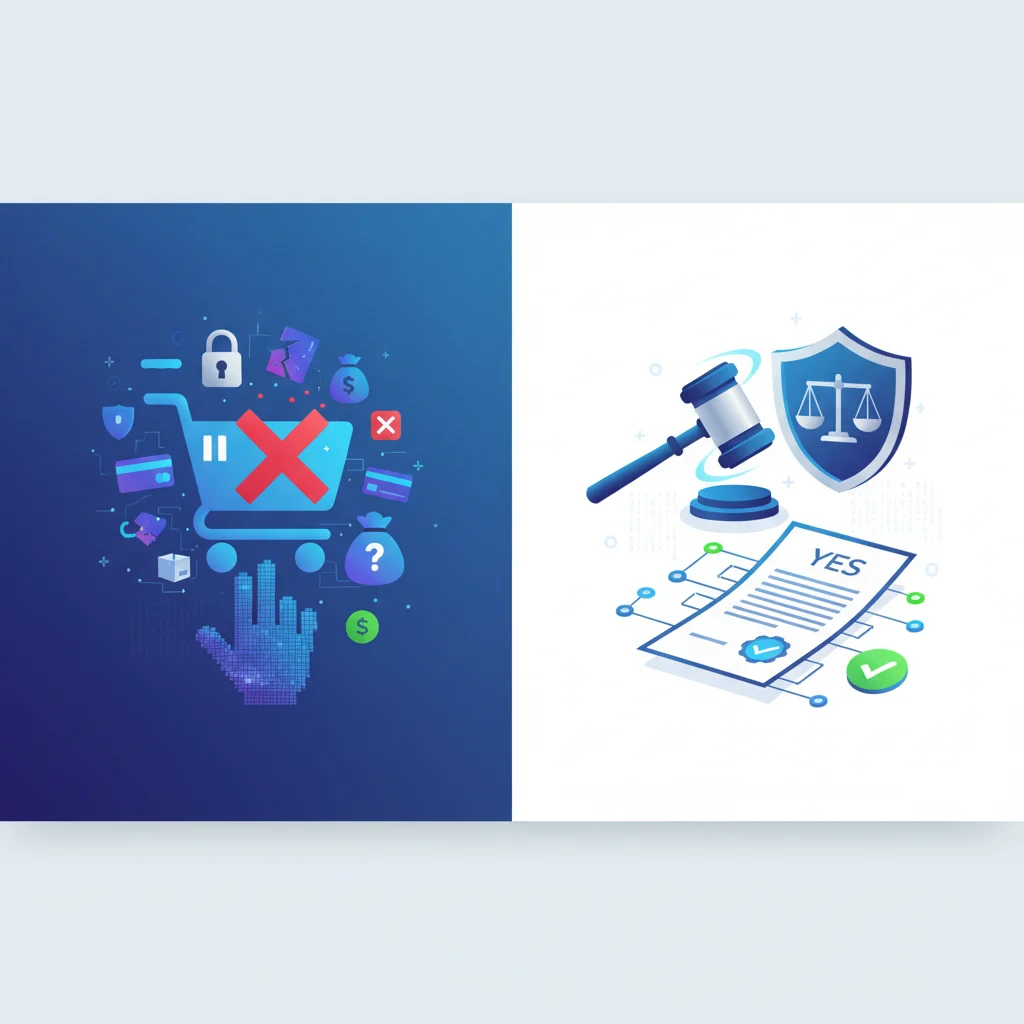
E commerce crime went ballistic last year, shooting up a staggering 83%! That number comes straight from the National Cyber Security Centre (NCSC). That should grab anyone’s attention and make them think twice about staying safe while shopping online. It is not just about how easy it is to find what you want; it is about protecting yourself and knowing what to do before you click that tempting “buy now” button. I have seen too many people get burned.
Understanding Common Ecommerce Scams
E commerce scams? Think intricate traps specifically designed to separate online shoppers from their money. I am talking about anything you can imagine, bogus websites, fake product listings and underhanded payment schemes. The single most important thing you can do? Get wise to these cons before they get wise to you. It is a jungle out there.
1. Phishing Scams
Phishing occurs when criminals try to act like real businesses to steal your personal details. That includes passwords, credit card numbers and even your banking information. These scams frequently appear as emails or messages that seem legitimate. But those links often lead to fake websites created to swipe your data. It is a classic bait and switch.
How to spot it: Never send personal information by email, particularly if the message makes you feel pressured or threatens your account. Closely examine the sender’s email address. I always hover the mouse pointer over links to check their destination before I click. That is essential for online safety.
2. Fake Websites
Crooks throw up bogus websites that appear almost identical to authentic online stores. They frequently lure shoppers with incredibly low prices. Should you buy something, they might steal your payment details or send you a cheap knockoff. It is a common trick.
How to spot it: Closely examine the website address. Check for the padlock icon in the address bar; that indicates a secure connection (HTTPS). See if they list a real street address and contact information. Before you make a purchase, seek reviews of the website itself. Do your homework!
3. Product Misrepresentation
Product Misrepresentation happens when sellers simply lie about what something is, how good it is or whether it is authentic. You might receive a counterfeit, a used item sold as brand new or something completely different from what you expected. I have seen this quite a bit, particularly with electronics and clothing. It is infuriating.
How to spot it: Closely inspect product descriptions and compare them with descriptions from other sources. Carefully read seller reviews and ratings. Be wary of prices that appear too good to be true. Request additional photos or information from the seller before you finalize the purchase. When in doubt, walk away.
4. Payment Fraud
Payment fraud is when con artists interfere with your payment transactions. They may use stolen credit card numbers, design fake payment pages or ask you to pay using unusual methods, such as gift cards or wire transfers. That is a huge red flag.
How to spot it: Use protected payment options like credit cards or established payment platforms. Avoid payment methods that offer minimal buyer protection. Be especially careful if someone asks you to pay in advance or outside the official e commerce platform. Protect your financial information.
5. Undelivered Goods
Here is the usual scenario: you pay, but the merchandise never arrives. The seller might provide a phony tracking number or disappear after you send payment. I have known people who waited endlessly for items that were never delivered. It is a frustrating experience.
How to spot it: Review the seller’s shipping policy and delivery estimates. Track your order and contact the seller if it is delayed. If the item does not arrive, file a complaint with your payment provider and the e commerce site. Be persistent.
Taking Legal Action Against Common Ecommerce Scams in India
If you become a victim of an e commerce scam, initiating Legal Action is essential to recover your funds and ensure the criminals face consequences. I will guide you on how to file a consumer complaint in India and pursue justice for ecommerce fraud. Do not let them get away with it.
1. Gather Evidence
Collect every document related to the scam. This includes order confirmations, payment receipts, emails exchanged with the seller, details about the promised product and evidence of any deceitful practices. This documentation strengthens your claim and reinforces your case. The more you have, the better.
2. File a Consumer Complaint
You have the option to file a consumer complaint with the National Consumer Helpline (NCH) or the Consumer Grievance Redressal Forum in your locality. The NCH offers guidance and assists in resolving consumer issues. The Consumer Forum functions as a court to address consumer grievances. It is your right.
How to file: Access the NCH website or visit the Consumer Forum in your district. Fill out the complaint form carefully and include all supporting documentation. You also can submit your complaint electronically through the NCH portal. Make sure everything is accurate.
3. File a Cyber Crime Complaint
When the scam involves online fraud, you must file a complaint with the Cyber Crime Cell at your local police station. The Cyber Crime Cell investigates online scams and pursues cybercriminals. This is vital when dealing with common ecommerce scams. Get the authorities involved.
How to file: Visit the Cyber Crime Cell in person or submit a complaint through their website. Provide all pertinent details and supporting evidence. The Cyber Crime Cell will initiate an investigation and take appropriate measures. Be prepared to cooperate fully.
4. Seek Legal Assistance
Consult with a lawyer specializing in consumer protection or cyber law. They can provide legal counsel, evaluate your case and represent you in court, if necessary. They can navigate the legal complexities and improve your chances of a favorable outcome. It is worth the investment.
How to find a lawyer: Conduct an online search for lawyers specializing in consumer protection or cyber law. Ask friends, family or coworkers for recommendations. Consult with several lawyers before selecting one that aligns with your needs and budget. Choose wisely.
5. Send a Legal Notice
Prior to initiating a lawsuit, send a formal legal notice to the scammer demanding reimbursement for your losses. This letter informs them that you intend to pursue legal action if they do not comply. This emphasizes your commitment to pursuing Legal Action. Show them you mean business.
How to send: Retain a lawyer to draft and dispatch the legal notice on your behalf. The notice should contain comprehensive details regarding the scam, the amount of compensation sought and a deadline for their response. Ensure it is professionally prepared.
6. File a Lawsuit
Should the scammer disregard the legal notice or decline to provide compensation, commence a lawsuit in court. The court will examine your case, assess the evidence and render a judgment. If you prevail, the scammer may be obligated to pay damages and cover your legal expenses. Fight for your rights.
How to file: Engage a lawyer to initiate the lawsuit on your behalf. The lawsuit should comprehensively outline the specifics of the scam, the legal justification for your claim and the relief sought from the court. The court will schedule hearings and trials to adjudicate the case. Prepare for a legal battle.
Preventing Ecommerce Scams: Proactive Measures
While pursuing legal remedies is important, preventing common ecommerce scams from occurring in the first place is preferable. I will share proactive measures to bolster your online safety: I believe in being proactive.
- Use Strong, Unique Passwords: Develop strong passwords for your e commerce accounts and avoid reusing passwords across multiple platforms.
- Enable Two Factor Authentication: Activate two factor authentication (2FA) whenever feasible. It provides an additional layer of security for your accounts.
- Keep Your Software Updated: Regularly update your operating system, browser and security software to patch vulnerabilities.
- Be Cautious of Suspicious Links: Exercise caution when interacting with links or attachments in emails or messages that appear questionable.
- Shop from Reputable Websites: Transact exclusively on trusted e commerce sites that employ secure payment systems and transparent return policies. Always confirm is ecommerce legit before completing any purchase.
Conclusion
E commerce scams are increasingly prevalent; however, by understanding their mechanics and implementing preventative measures, you can minimize your risk of becoming a victim. If you do fall victim to a scam, promptly initiate legal action by filing a consumer complaint and seeking legal counsel. Maintaining vigilance and staying informed represents your strongest defense against online fraud. When you understand your rights and how to file a consumer complaint in India, you can engage in online shopping confidently. Knowledge is power, be careful out there.
Talk to a Verified Lawyer Online
Send a legal notice for money recovery with expert support from Vakilsearch