
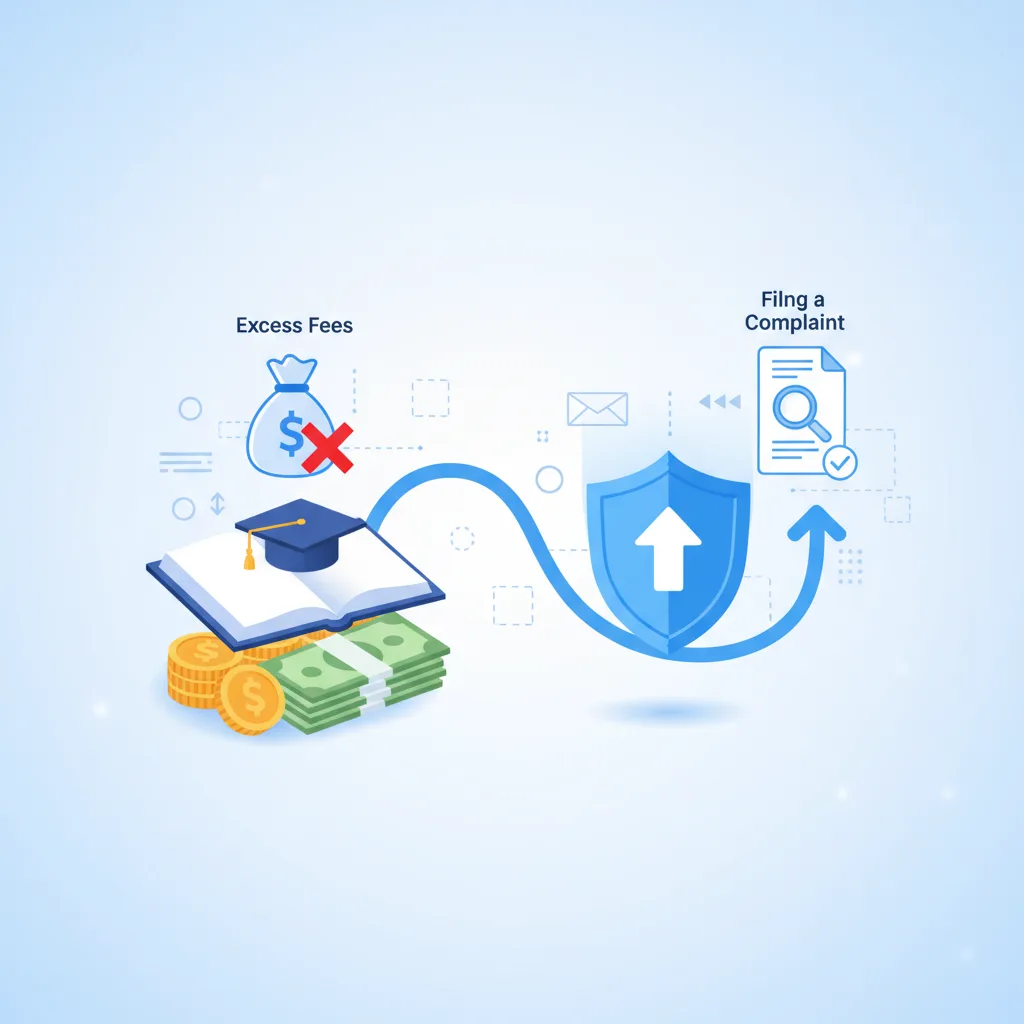
Did you know some Indian colleges might be holding your diplomas hostage or shaking you down for extra cash? I recently stumbled across a UGC notification that exposes these truly awful practices. I completely understand how infuriating it can be if you are experiencing this. Let us walk through the steps to file a complaint against educational institute in India when they are ripping you off. You absolutely have the power to fight back.
Understanding Your Rights as a Student
Before you take action, it is imperative to understand your rights. Colleges are obligated to be transparent about all costs and refund procedures. Do not hesitate to challenge any unexpected alterations to these established policies. As students, you are guaranteed the following:
- Receive a detailed breakdown of all fees.
- Know the refund policy in case of withdrawal.
- Fair treatment and access to resources without discrimination based on fee payment.
Consumer protection laws and your school rules generally reinforce these rights. If these rights are violated, you are absolutely entitled to file a complaint against educational institute. Ensure that you are always aware of your entitlements!
Grounds for Filing a Complaint Against an Educational Institute
These are typical situations where lodging a complaint is completely justified.
- Excessive Fees: Fees exceeding the initially stated amount during admission.
- Withholding Documents: Refusal to release report cards or transfer papers due to outstanding payments.
- Forced Donations: Mandatory donations as a condition for admission or continued enrollment.
- Lack of Transparency: Failure to provide clear fee explanations or implementing changes without proper notification.
- Unjustified Penalties: Imposition of substantial fines for minor infractions without due process.
Step-by-Step Guide to Filing a Complaint
I assembled a straightforward strategy for submitting a complaint:
Step 1: Gather Evidence
Ensure you possess the following documents:
- Admission letters
- Fee receipts
- Prospectus or fee structure documents
- Correspondence with the institution regarding the fee issue
- Any other evidence supporting your claim
The more substantial your evidence, the more persuasive your argument becomes. Retain copies of all documents, as the originals may be required later. I always create multiple backups.
Step 2: Internal Grievance Redressal
The majority of schools feature internal mechanisms for addressing issues. Initiate your complaint here. Draft a formal complaint and submit it to the designated individual or body, such as a grievance committee or student services. Provide a clear and concise description of the problem, detailing the excessive fees and the desired resolution. Include copies of all supporting documentation.
Allow the school sufficient time, typically a few weeks, to respond. Maintain a meticulous record of your complaint and all interactions with the school. This is exceptionally important.
Step 3: Approaching Regulatory Bodies
If the school fails to adequately address the problem, escalate the matter to external regulatory bodies. Examples of such bodies include:
- University Grants Commission (UGC): For universities and colleges affiliated with the UGC.
- All India Council for Technical Education (AICTE): For technical institutions.
- State Education Department: The education department of the state in which the institution is located.
Submit a formal written complaint to the appropriate regulatory body. Enclose copies of your initial complaint, the school’s response (if any), and all pertinent documentation. Each regulatory body maintains its own specific complaint procedures, so familiarize yourself with them. I strongly advise a thorough review.
Step 4: Filing a Consumer Complaint
Should the school engage in unfair practices or fail to deliver promised services, you reserve the right to file a consumer complaint in India. As stipulated by the Consumer Protection Act, schools can be held accountable for overcharging or failing to meet their obligations. Here is what you should do:
- Send a Legal Notice: Prior to filing a complaint, instruct an attorney to issue a legal notice to the school. This affords them a final opportunity to rectify the issue.
- File a Complaint with the Consumer Forum: If the school fails to respond or resolve the matter, file a complaint with the relevant consumer forum (District, State or National Commission), contingent upon the financial value involved.
Your consumer complaint must contain the following:
- Your name and address
- The name and address of the educational institution
- A detailed description of the complaint
- The amount of fees in dispute
- Copies of all supporting documents
- The relief you are seeking (e.g., refund of excess fees, compensation)
The Consumer Protection Act exists to safeguard consumers from exploitation. It serves as a formidable instrument in contesting unfair fees. The power to file a consumer complaint in India significantly empowers students. From personal experience, I can attest to its effectiveness.
Step 5: Seeking Legal Recourse
A final avenue to explore involves submitting a writ petition to the High Court or Supreme Court. Be aware that this action can be expensive and time consuming. Consult with a lawyer to evaluate the merits of your case and potential financial implications.
Important Considerations
- Limitation Period: Be mindful of the deadline for filing a complaint. Generally, it stands at two years from the issue’s onset.
- Jurisdiction: Verify that you are submitting your complaint within the appropriate jurisdiction. For instance, the consumer forum that oversees the school’s geographical location.
- Legal Representation: While you are entitled to represent yourself in consumer court, contemplate retaining a lawyer for more intricate scenarios.
The Role of Student Organizations
Student organizations and unions provide invaluable support. They can clarify your rights, guide you through the complaint process and promote awareness regarding the problem. Seek assistance from your student union or analogous advocacy groups. I highly encourage active participation.
Preventive Measures
Consider these suggestions to avoid fee related problems:
- Thoroughly review the fee structure and refund policies before admission.
- Keep all fee receipts and correspondence with the institution.
- Be aware of your rights and the available grievance mechanisms.
- Join student organizations that advocate for student rights.
Conclusion
It can be a daunting task to file a complaint against educational institute due to unjustified fees. Standing up for your rights and ensuring equitable treatment is essential. By adhering to these guidelines and securing suitable support, you are empowered to confront the problem and hold schools accountable. You are entitled to a fair and transparent education system. Taking resolute action against unjust practices fosters an enhanced learning environment. Should you feel overwhelmed or uncertain about the appropriate course of action, do not delay in seeking legal counsel. I trust this guide has proven beneficial.
Talk to a Verified Lawyer Online
Send a legal notice for money recovery with expert support from Vakilsearch