
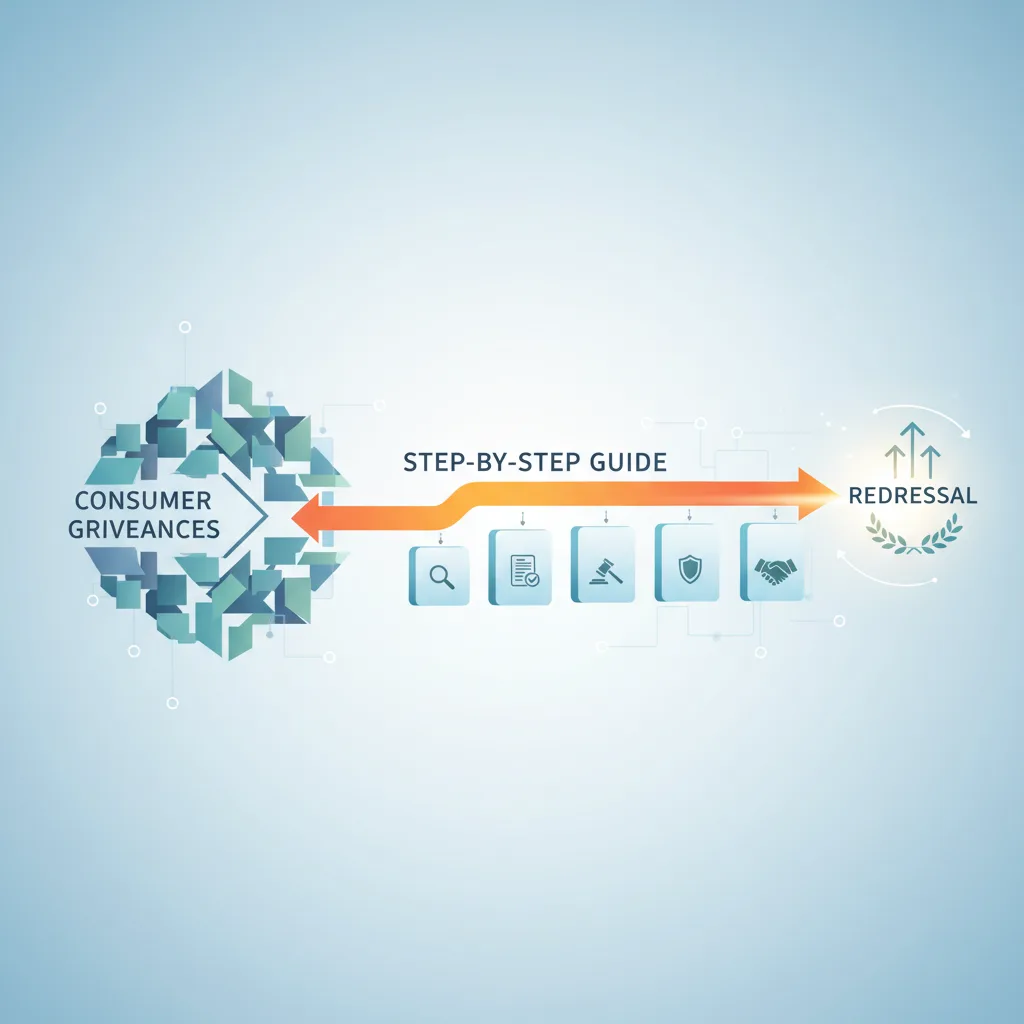
Ever feel like you have been duped after buying something? It stings, right? Your wallet is lighter and you are left with junk. It is more common than you would think. Get this: American consumers get swindled out of roughly $50 billion annually due to fraud or defective products and services. It is infuriating. When we part with our hard earned cash, we expect a fair deal. Sadly, that is not always how it pans out. That is why understanding Consumer Grievance Redressal Systems is critical. I will walk you through what to do when you need to iron out a consumer dispute.
What Exactly Are Redressal Systems?
Think of Consumer Grievance Redressal Systems as the official channels consumers can use to tackle problems with companies. For example, India’s Consumer Protection Act of 2019 sets the stage for these systems. It spells out exactly how to file a consumer complaint in India and seek solutions at different levels.
These systems are meant to be easy to use and not break the bank, providing an alternative to drawn out court cases. They are rooted in fairness and justice. Every consumer deserves to have their issues addressed quickly and effectively.
Know Your Rights as a Consumer
Before you even think about filing a complaint, it is key to understand your rights. The Consumer Protection Act is there to protect you:
- Right to Safety: You are protected from products and services that could harm your health or property.
- Right to Information: You are entitled to correct and thorough information about what you are buying.
- Right to Choose: You should have plenty of choices at competitive prices.
- Right to Be Heard: You should be able to voice your concerns and complaints.
- Right to Seek Redressal: You need ways to fix things when they go wrong.
- Right to Consumer Education: Knowing your rights and what you are responsible for is key.
Knowing these rights empowers you to make smart decisions and act when problems pop up. These rights are there for a reason. Never lose sight of that.
How To: File a Consumer Complaint in India
So, how do you actually file a consumer complaint in India? Let us break it down into simple steps:
Step 1: Pinpoint the Issue
Clearly define your consumer grievance. Was the product a lemon? Was the service subpar? Were any shady practices involved? Document everything carefully, including dates, costs and all conversations with the seller.
Step 2: Contact the Seller First
Before you escalate things, give the seller a chance to make it right. Send a formal written heads up outlining the problem and what you want as a solution, like a repair, replacement or refund. Keep a copy of your message and any replies you get.
Step 3: Round Up Evidence
Gather all the documents that back up your claim, which includes:
- Receipts or invoices
- Warranty papers
- Product manuals
- Photos or videos showing the defect
- Copies of your talks with the seller
- Any other relevant paperwork
Step 4: Figure Out the Right Court
The Consumer Protection Act uses a three tier system for handling complaints:
- District Consumer Disputes Redressal Commission (DCDRC): Handles claims up to ₹50 lakh.
- State Consumer Disputes Redressal Commission (SCDRC): Deals with claims between ₹50 lakh and ₹2 crore.
- National Consumer Disputes Redressal Commission (NCDRC): Addresses claims exceeding ₹2 crore.
When you file a consumer complaint in India, be sure you are going to the right commission based on how much money is at stake and where the other party is located. Mistakes here can cause delays. Nail it the first time.
Step 5: Write Up the Complaint
Draft a formal written complaint that includes:
- Your full name and address
- The full name and address of the business or person you are complaining about
- A detailed rundown of the products or services involved
- The exact date of the purchase or service
- A clear explanation of why you are complaining
- The specific solution you want, like a refund or a replacement
- All supporting documents. Attach copies of everything important.
Be clear and stick to the facts. Leave out emotional language or exaggerations.
Step 6: Officially File the Complaint
You can file a consumer complaint in India in person, by mail or through the e Daakhil portal. Pay any fees and get a receipt as proof. Hold onto that receipt.
Step 7: Attend the Hearings
The commission will let you know when the hearings are. Show up and clearly present your case. You can represent yourself or hire a lawyer.
Step 8: Wait for the Decision
After all the information is presented, the commission will make a ruling. If they rule in your favor, the other party has to provide what you asked for. If you disagree with the ruling, you can appeal to a higher commission within the time allowed.
Important Points
- Time Limits: You must file a consumer complaint in India within two years of the incident.
- Proof is Key: Always keep your purchase receipts. You will need them to file a consumer complaint in India.
- Record Everything: Keep copies of all communications, documents and rulings related to the complaint.
- Get Expert Help: For tricky complaints or those involving large sums, get legal advice from a consumer protection attorney.
Filing Online: The E Daakhil Portal
The e Daakhil portal has made it simpler to file a consumer complaint online. You can register your complaint, upload documents, pay fees and track your case from home. This simplifies fixing consumer issues.
Why Consumer Groups Matter
Consumer groups are vital for protecting consumer rights. They offer advice, support and advocacy to individuals dealing with unfair business practices. These groups can help you understand your rights, draft good complaints and navigate the resolution process. They are there to guide you.
When to Hire a Consumer Protection Lawyer
While you can represent yourself in consumer court, hiring a consumer protection lawyer can be helpful, especially in complex cases. A lawyer can provide advice, help prepare your case and represent you in court. They can help you decide what to do and protect your rights.
Appealing to the NCDRC
If you are not happy with the State Commission’s decision, you can submit an NCDRC appeal. To file a consumer complaint in India at this level, you have 30 days to do so. The NCDRC is the highest consumer court in India, and its decisions are final. Be aware of the deadlines involved.
Conclusion
Consumer Grievance Redressal Systems might seem scary. However, knowing your rights and the steps involved will help you protect yourself from unfair business practices. Keep detailed records, gather evidence and seek help when needed. By using these systems, we can encourage a more accountable marketplace that respects and protects consumer rights. You have the power to demand fairness. Go for it!
Talk to a Verified Lawyer Online
Send a legal notice for money recovery with expert support from Vakilsearch