
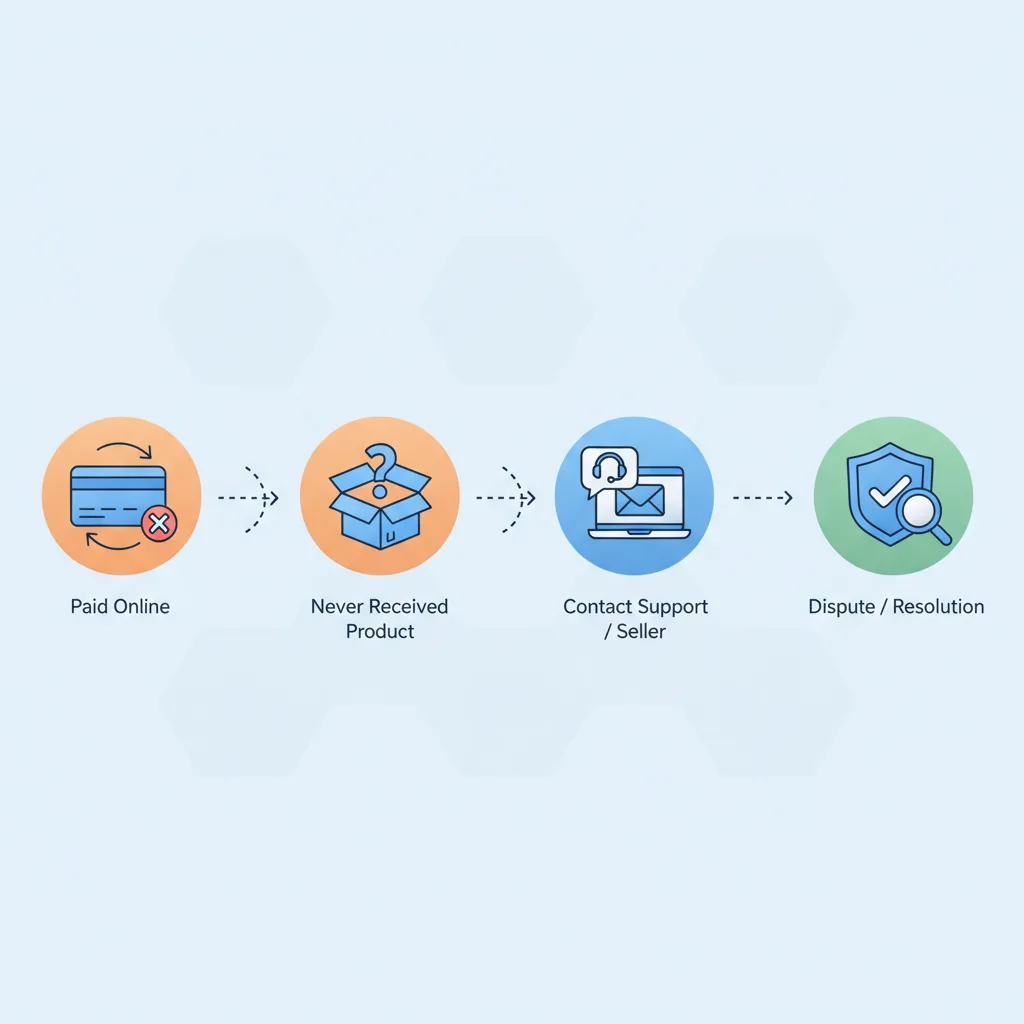
Imagine clicking ‘buy now’ on that must have item, only to have it vanish into the digital ether after you finalize the purchase. I have been there. It is incredibly frustrating. A report from the Department of Consumer Affairs indicates that e commerce complaints spiked 25% in just two years. What should you do when you have paid for goods but never received them? I will walk you through the process of submitting a consumer complaint on online paid product issues.
Step 1: Gather Your Ducks in a Row
Before you do anything else, get your paperwork together. This includes things such as:
- Your order confirmation email. Keep this handy; you will need it.
- Payment confirmations or transaction records. These are absolutely crucial.
- Shipping details, if they exist. Tracking information can be super helpful.
- Any chats you have had with the seller or the e commerce platform, such as email chains or chat logs. Save all of it.
- Screenshots showing the product details and any promises made. These are your ammunition.
Having all this information ready makes filing your consumer complaint on online paid product issues much less stressful.
Step 2: Get in Touch
Your first move is to contact the seller or the e commerce platform’s customer service team. Most legitimate sites offer ways to sort out order problems.
- Seller Contact: If you bought from a third party seller on a platform like Amazon or Flipkart, try reaching out to them directly through the platform’s messaging system. Explain the issue clearly and politely and ask for an update.
- E Commerce Platform Customer Support: If the seller does not give you a good answer, or if you bought directly from the e commerce platform, contact their customer support. Many platforms provide help through email, phone and live chat. Have your order number and all your documents ready.
Stay calm, but be persistent. Document every interaction. Note the dates, times and names of anyone you spoke with. Ask for a specific deadline for fixing the problem. A simple question often solves the problem. Maybe the item is delayed or a mistake happened during delivery.
Step 3: Time to Demand Action
If a long time goes by and your product still is not there, demand a refund or a replacement. Many e commerce platforms have buyer protection policies to shield you.
- Review the Platform’s Policy: Know the e commerce platform’s rules about refunds and returns. Find out about delivery times, how they handle disputes and any buyer protection programs they have.
- Formal Refund Request: Use the platform’s official methods to make a formal refund request. Clearly say why, such as “Product not delivered when promised,” and include all your supporting documents.
- Payment Method Disputes: If the platform says no to the refund, contact your bank or credit card company to challenge the charge. Many payment companies have buyer protection policies that might help you get your money back.
Step 4: The Legal Option
If all else fails, consider sending the seller or the e commerce platform a legal notice. This is a formal way to ask them to keep their promise by either sending the product or giving you a refund within a specific time.
- Hire a Lawyer: It helps to hire a consumer lawyer to write and send the legal notice. A lawyer makes sure the notice follows all the rules.
- Notice Content: The legal notice must include your contact information, details of the purchase, such as the order number, date, product description and amount paid, a clear explanation of the problem such as the product was never delivered and what you expect them to do to fix it, such as send the product or give a full refund.
- Delivery Method: Send the legal notice by registered mail with acknowledgment due (RPAD) to confirm they received it.
Step 5: Officially Complain
If the legal notice gets you nowhere, file a consumer complaint in India. File this formal complaint with a consumer forum or commission, asking for money to make up for the trouble. This is most important if you have paid for goods but never received them.
- Consumer Protection Act: India’s Consumer Protection Act of 2019 protects consumer rights. It allows consumers to seek money if they experience unfair business practices, faulty products and poor service.
- Online Complaint Filing: The Department of Consumer Affairs offers the e Daakhil portal to make it easier to submit consumer complaints online.
- Jurisdiction: You can file consumer complaints at three levels: the District Consumer Disputes Redressal Commission (DCDRC), the State Consumer Disputes Redressal Commission (SCDRC) and the National Consumer Disputes Redressal Commission (NCDRC), depending on the value of the items or services.
Make sure you have all your paperwork ready, including copies of your order confirmation, payment receipts, conversations with the seller and the legal notice, if you sent one. Double check that you are filing in the correct location to avoid your case being rejected.
Understanding Consumer Forums
Here is a summary of the locations for filing a consumer complaint on online paid product disputes:
- District Consumer Disputes Redressal Commission (DCDRC): Handles cases where the value of items or services is up to ₹50 lakh.
- State Consumer Disputes Redressal Commission (SCDRC): Handles cases where the value of items or services is between ₹50 lakh and ₹2 crore.
- National Consumer Disputes Redressal Commission (NCDRC): Handles cases where the value of items or services is more than ₹2 crore.
Step 6: Stay on Top of It
Keep an eye on your consumer complaint and actively push your case forward once you have filed it. The consumer forum usually tells the seller or e commerce platform about your complaint and asks for a reply. It is important to stay persistent and quickly respond to any requests from the commission.
- Attend Hearings: Be there at all scheduled consumer forum hearings. Clearly and briefly present your case, providing any extra evidence requested.
- Legal Representation: Think about hiring a lawyer to represent you before the consumer forum. A lawyer can offer advice, improving your chances of winning.
- Enforcement of Orders: If the consumer forum agrees with you, make sure the order is enforced. The seller or e commerce platform must follow the order, which might include a refund, product replacement or payment.
Prevention: Your Best Bet
While these steps can help fix problems with items that never arrive, taking steps to prevent these problems is always better.
- Choose Reputable Sellers and Platforms: Pick well known and reliable e commerce platforms and sellers with good reputations. Read customer reviews before you buy anything.
- Secure Payment Methods: Use secure payment methods such as credit cards or net banking, which offer buyer protection. Avoid unsafe payment methods or paying sellers directly that you do not know.
- Read the Fine Print: Know the terms of the sale, including the delivery time, refund policy and how they handle disputes.
- Keep Records: Save records of all purchases, including order confirmations, payment receipts and all chats with the seller.
Dealing with a product never received once you have paid for it online can be incredibly frustrating, but by taking the correct actions, you can protect your rights and get a fair outcome. Remember to document everything, communicate clearly and pursue your complaint through the correct channels. With persistence, you can successfully get through this and get the justice you deserve. Stay in control and stay informed, so you can shop online with confidence and protect your money.
Talk to a Verified Lawyer Online
Send a legal notice for money recovery with expert support from Vakilsearch