
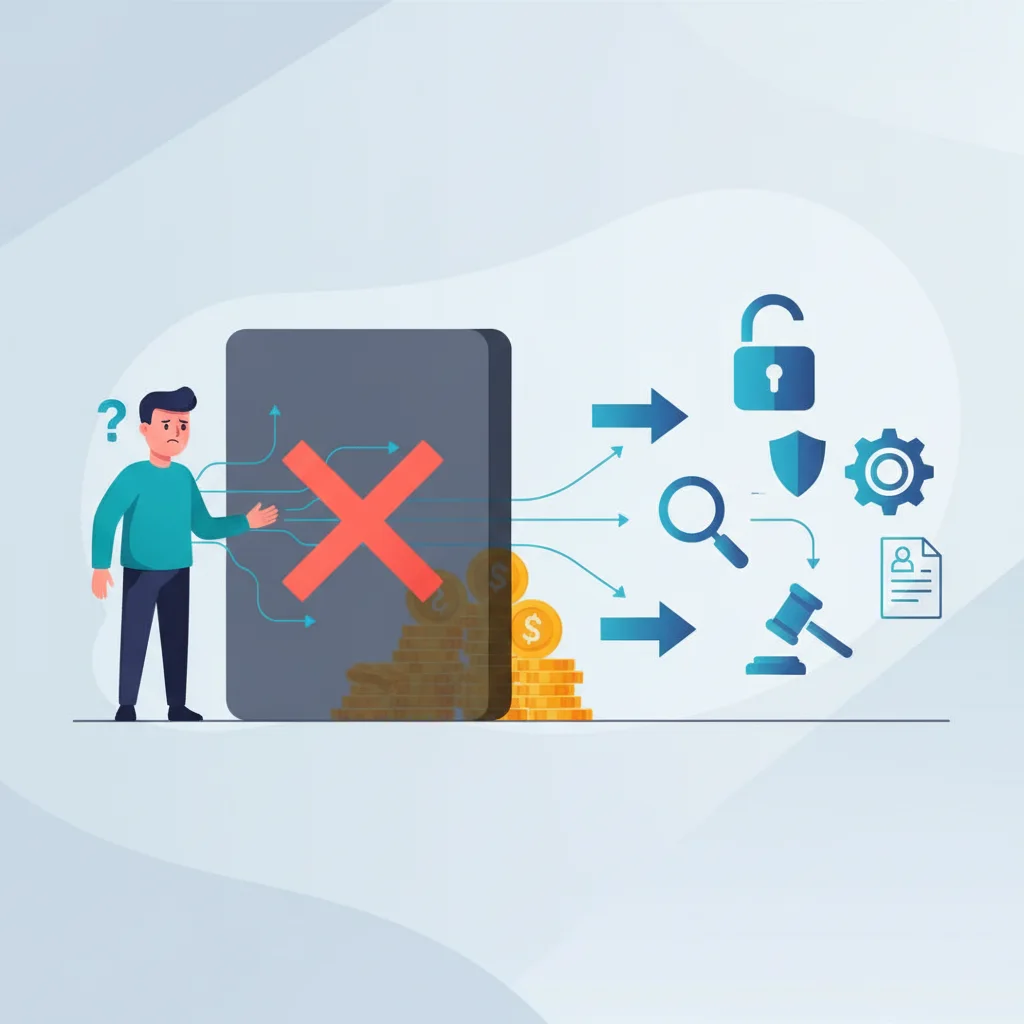
Ever feel like you have been robbed, plain and simple? You hand over your hard earned money, expecting a product or service. What do you get? Silence. The company disappears. They block your calls, ignore your emails and vanish into thin air. I have seen this happen too many times. The feeling of utter helplessness is awful.
Do not give up just yet because you do have options. This guide offers actions to take if a company takes your money and then ghosts you. The focus here is on what you need to do to register consumer complaints and, hopefully, get your money back. I will specifically address how to file a consumer complaint in India. Let us get started.
It is stunning but consumers get swindled out of billions of dollars every year because of scams and shady business practices. Knowing your rights is therefore essential.
Before doing anything else, understand your basic consumer rights. Consumer protection laws exist to shield you and make sure businesses operate fairly. Details of these laws differ depending on location, but they generally cover:
- Getting the products and services as advertised
- Protection from dishonest or misleading actions
- Ability to seek remedies for issues
In India, the primary consumer protection law is the Consumer Protection Act of 2019. It establishes a system for addressing consumer complaints and finding solutions for defective products, subpar services and unjust business conduct.
What to Do When a Company Cuts You Off: A Practical Guide
Step 1: Document Everything Meticulously
This step is critical. Before moving forward, collect all documents related to the transaction. This includes:
- Payment confirmations or receipts
- Order details
- Copies of emails or other communications with the company
- Screenshots from the company website or app showing their promises
- Copies of any signed agreements or terms
The more evidence you can provide to support your claims, the stronger your position. Save everything, even things that appear insignificant. I once assisted someone in recovering their funds because they had saved images of misleading advertisements.
Step 2: Try Reaching Out Again
Even if you have been ignored, attempt to contact the company through various means. Consider these options:
- Emailing a different email address, if possible
- Connecting through social media platforms
- Sending a letter via certified mail to their business address
Record every attempt to contact them, noting the dates, times and methods used. Demonstrating that you tried to resolve the issue amicably proves your seriousness, even if they disregard you.
Step 3: Send a Formal Demand Letter
If direct contact yields no results, send a formal demand letter. This is a written notice detailing your complaint, the amount of money you seek and a deadline for the company to respond. State that you intend to pursue legal action if they do not comply.
A demand letter drafted by a lawyer carries considerable weight, showing you are serious about your claim. Templates are available online, but a letter specific to your situation is preferable. I have found that a solid demand letter often motivates companies to act, even if they previously ignored you.
Step 4: File a Consumer Complaint
If the demand letter fails to produce results, it is time to file a consumer complaint with the appropriate authorities. To file a consumer complaint in India, use the National Consumer Helpline (NCH) or the Consumer Disputes Redressal Commission, known as Consumer Court.
Submitting a complaint generally requires:
- Sending a written complaint outlining your case
- Providing supporting documents such as receipts and emails
- Paying a small fee, if applicable
The Consumer Court will investigate your complaint and attempt to mediate a resolution between you and the company. If mediation fails, the court may conduct a hearing and issue an order for the company to refund your money, provide the promised goods or services or compensate you for damages.
Step 5: Explore Other Legal Avenues
Depending on the circumstances, other legal options may exist. These could include:
- Submitting a complaint to a relevant industry regulator, like the Reserve Bank of India if the company is a financial institution
- Initiating a civil lawsuit in court
- Reporting the company to law enforcement if fraud is suspected
Consult with a lawyer to determine the best course of action. They can evaluate your case and advise you on the most effective legal strategies.
Key Things to Consider When Filing Consumer Complaints
- Statute of Limitations: Be mindful of the statute of limitations. In India, the standard timeframe for filing a consumer complaint is two years from the date of the incident.
- Jurisdiction: Ensure that you file your complaint with the appropriate Consumer Court. This typically depends on the company’s location or the value of the goods or services involved.
- Evidence Matters: The more evidence you can provide, the stronger your case becomes. Include all pertinent documents and present them clearly in your complaint.
- Expect a Wait: Consumer complaint cases can be lengthy. Prepare for a resolution process that could take several months or even years.
Preventing Problems in the Future
Knowing how to respond when things go wrong is valuable, but preventing issues is even more beneficial. Here are some tips for protecting yourself from dishonest companies:
- Research the Company: Before making a purchase, conduct online research. Read reviews, check their ratings with the Better Business Bureau and look for any filed complaints.
- Read the Fine Print: Always carefully review the terms and conditions before agreeing. Be sure that you understand their policies on cancellations, refunds and dispute resolution.
- Use Secure Payment Options: Opt for a credit card or another payment method that offers buyer protection. This can simplify recovering your money if issues arise.
- Keep Records: Maintain all receipts, order confirmations and communications with the company.
Dealing with a company that ignores you after receiving your money can be incredibly frustrating. Armed with knowledge of your rights and the process to file a consumer complaint, you can take action and potentially recover your funds. Remember to document everything, attempt communication, send a formal demand letter and file a consumer complaint in India with the correct authorities. I have witnessed many consumers successfully navigate this, and with persistence and sound legal advice, you can too.
Talk to a Verified Lawyer Online
Send a legal notice for money recovery with expert support from Vakilsearch